Browse
Close menu
Music
See More
"Close Cart"
Vinyl
Exclusive Vinyl
Pre-Orders
New Releases
Autographed CDs
Autographed Vinyl
KPop
Cassettes & CDs
Record Store Day
Vinyl Singles
Vinyl Deals
Genres
See More
"Close Cart"
Rock
Alternative/Indie
Classic Rock
Metal
Punk + Hardcore
Blues
Jazz
Hip Hop + Rap
Pop
Reggae
R&B + Soul
Country + Bluegrass
Classical
Dance + Electronic
Holiday
Folk/Singer Songwriter
Soundtracks/Broadway
Spoken Word + Comedy
Pop/Jazz Vocals
Featured
See More
"Close Cart"
KPop
Record Store Day
Newbury Comics Merch
Events
Find A Store
Log in
Create account
Shopping Cart
"Close Cart"
Skip to content
Free standard shipping on domestic orders over $100!
Find A Store
Contact Us
Log in
0
Music
Vinyl
Exclusive Vinyl
Pre-Orders
New Releases
Autographed CDs
Autographed Vinyl
KPop
Cassettes & CDs
Record Store Day
Vinyl Singles
Vinyl Deals
Genres
Rock
Alternative/Indie
Classic Rock
Metal
Punk + Hardcore
Blues
Jazz
Hip Hop + Rap
Pop
Reggae
R&B + Soul
Country + Bluegrass
Classical
Dance + Electronic
Holiday
Folk/Singer Songwriter
Soundtracks/Broadway
Spoken Word + Comedy
Pop/Jazz Vocals
Featured
KPop
Record Store Day
Newbury Comics Merch
Events
Search
Menu
Store Locations
Search
Cart
Go
Search
Vinyl
Home
›
Vinyl
›
Exclusive
Collection
All Vinyl
Pre-Orders
NC Exclusives
Record Store Day
New Releases
Autographed
Singles
Box Sets
Special Price
Filter By:
General
Exclusive
Numbered
Color Vinyl
A-Z BY ARTIST
Vinyl Format
7"
10"
EP
LP
LP Box Set
0
Products
Sort by
Sort By
Price Low To High
Price High To Low
Newest on site
Oldest on site
Grid view
List view
Sorry, there are no products in this collection
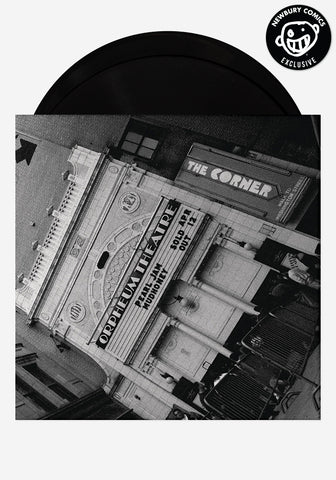
Pearl Jam
Live At The Orpheum Theatre - April 12, 1994 Exclusive 2 LP
$124.99
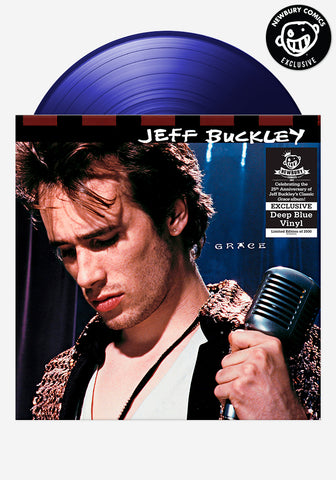
Jeff Buckley
Grace Exclusive LP
$99.99
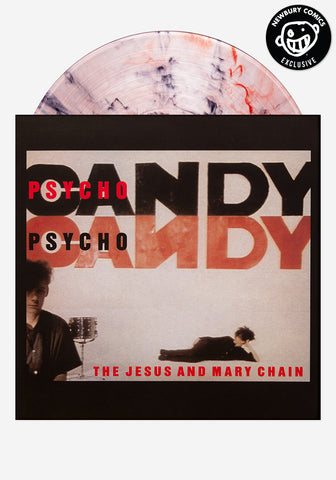
The Jesus And Mary Chain
Psychocandy Exclusive LP (Gum)
$41.99
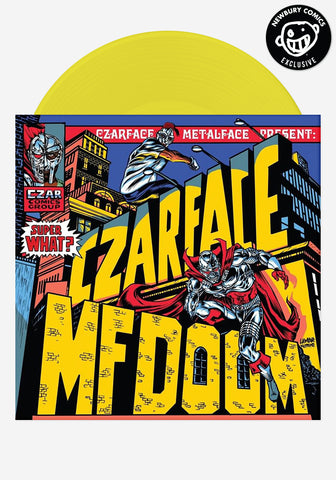
Czarface / MF Doom
Super What? Exclusive LP
$34.99
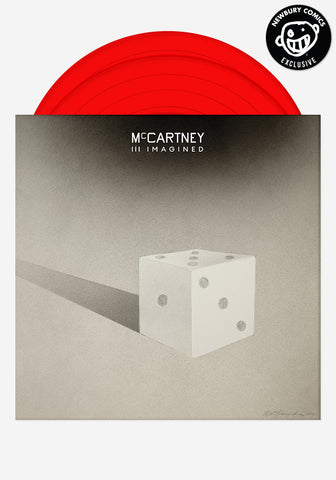
Paul McCartney
McCartney III Imagined Exclusive 2LP
$15.99
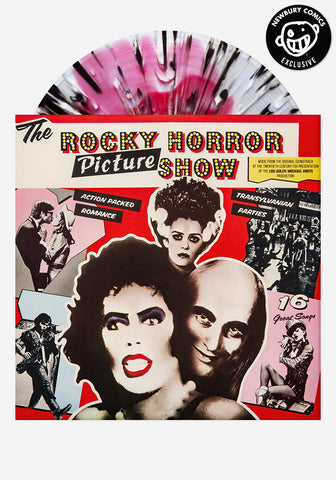
Various Artists
Soundtrack - Rocky Horror Picture Show Exclusive LP
$89.99
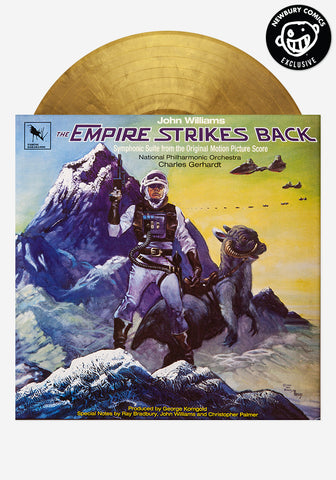
John Williams
Soundtrack - The Empire Strikes Back (Symphonic Suite From The Original Motion Picture Score) Exclusive LP
$55.99
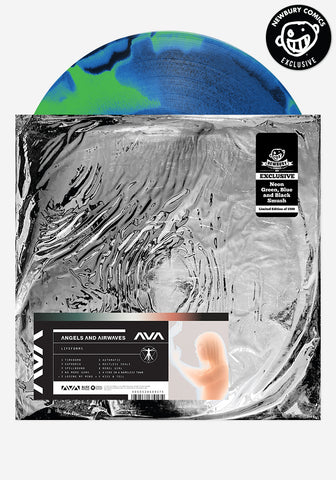
Angels & Airwaves
Lifeforms Exclusive LP
$17.99
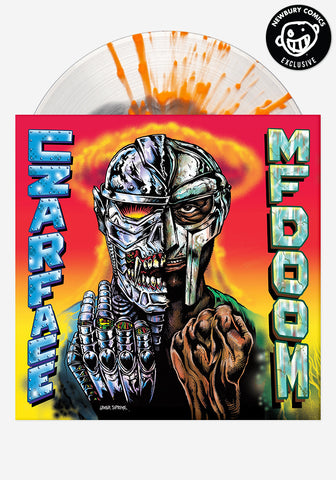
Czarface / MF Doom
Czarface Meets Metal Face Exclusive LP
$59.99
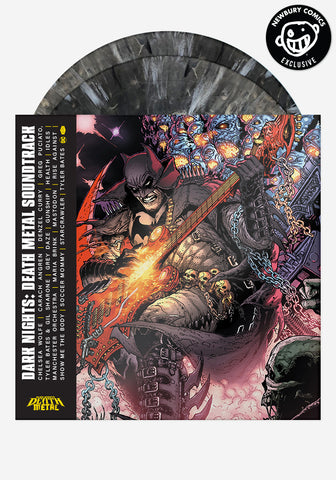
Various Artists
Soundtrack - Dark Nights: Death Metal Exclusive 2LP
$19.99
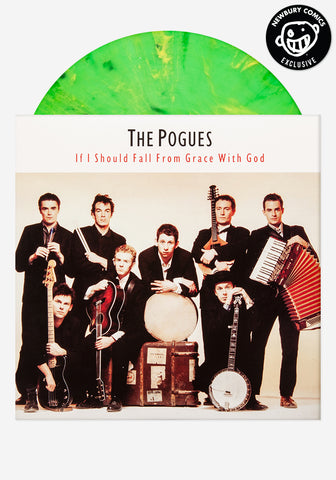
The Pogues
If I Should Fall From Grace With God Exclusive LP (Green)
$31.99
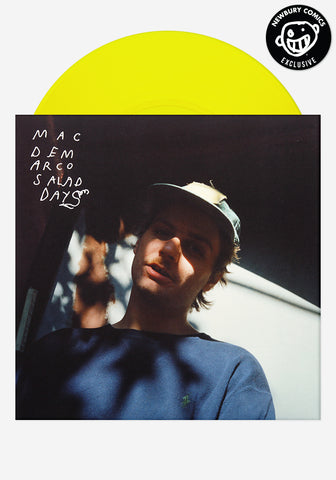
Mac DeMarco
Salad Days Exclusive LP (Lemonade)
$89.99
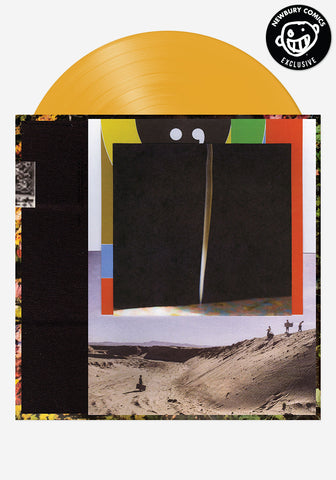
Bon Iver
i,i Exclusive LP
$39.99
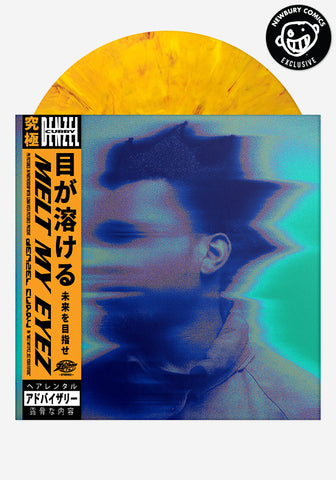
Denzel Curry
Melt My Eyez Exclusive LP
$35.99
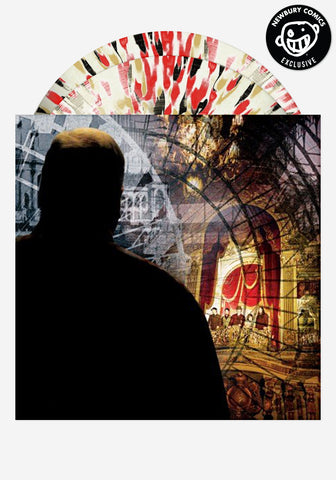
My Morning Jacket
Evil Urges Exclusive 2LP
$19.99
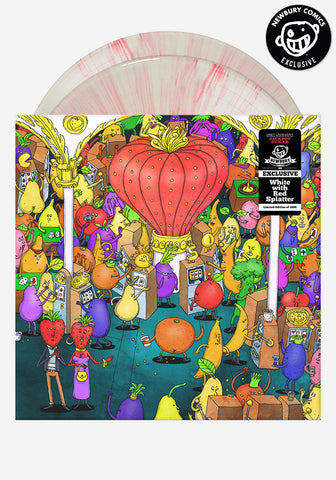
Dance Gavin Dance
Jackpot Juicer Exclusive 2LP
$69.99
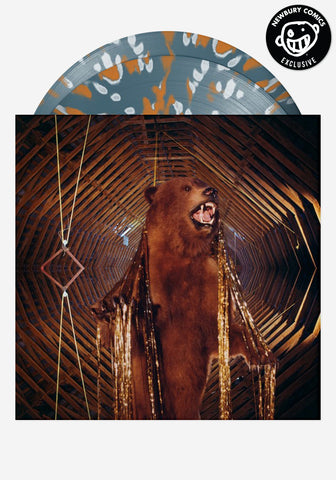
My Morning Jacket
It Still Moves Exclusive 2LP
$19.99
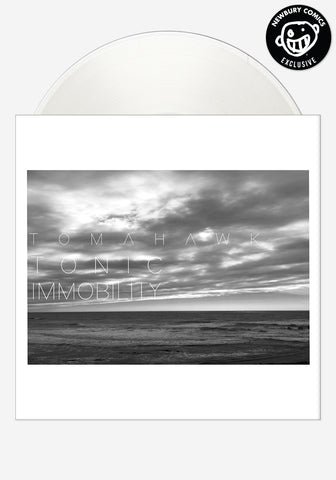
Tomahawk
Tonic Immobility Exclusive LP
$15.99
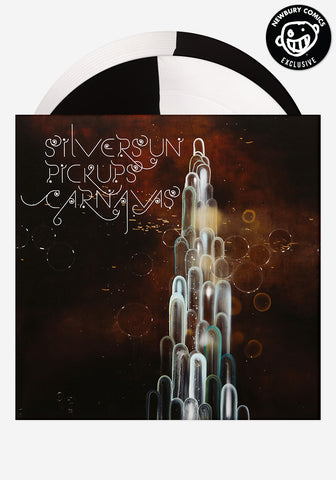
Silversun Pickups
Carnavas Exclusive 2LP (Crystal)
$64.99
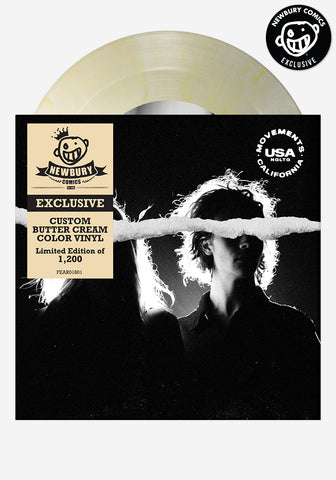
Movements
No Good Left To Give: B-Sides Exclusive 7"
$11.99
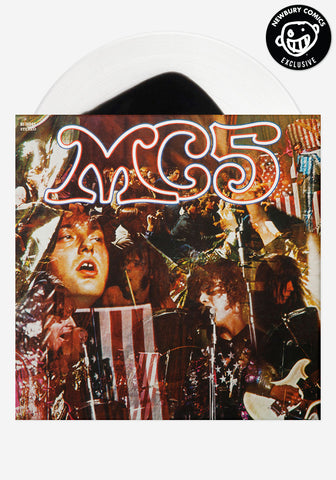
MC5
Kick Out The Jams Exclusive LP
$19.99
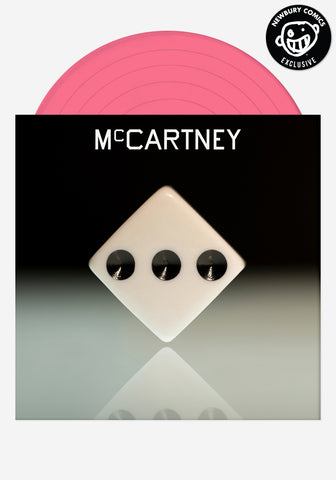
Paul McCartney
McCartney III Exclusive LP
$79.99
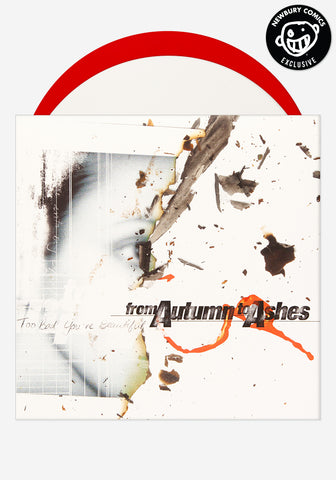
From Autumn To Ashes
Too Bad You're Beautiful Exclusive 2LP
$27.99
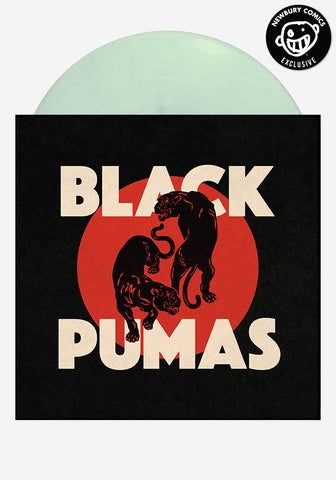
Black Pumas
Black Pumas Exclusive LP
$39.99
Load More...
1
2
3
…
53
→
^